Office Chairs: Your Back Will Thank You
Invest in your health with office chairs designed by experts to prevent back pain and improve posture...
12 min

Which office chair is good for back pain? Chairs with ergonomic support are good for back pain. Due to their features, like lumber support and adjustability, they can reduce back pain.
The lumber support feature helps maintain the spine’s natural curved position. In contrast, chair adjustability allows you to set chair height according to your needs.
These chairs have many other features that are useful to prevent health issues, so let’s find in detail their features and which office chair is good for back pain.

Below, we will explain the features of ergonomic chairs, their types and how to sit on them properly. Keep reading to find out Which office chair is good for back pain?
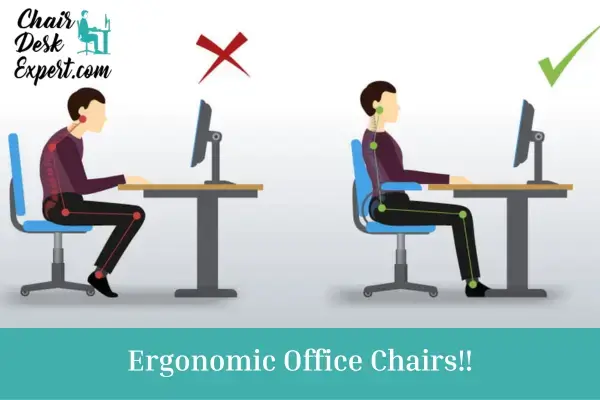
Ergonomic furniture is designed to reduce the risk of musculoskeletal issues. Their main focus is to provide comfort during prolonged use. Key characteristics of ideal ergonomic furniture include:
It supports the natural S shape of the spine and prevents slouching postures that can cause back, neck, and joint problems.
Features adjustable height, backrest angle, and arms to accommodate individuals of varying sizes and proportions. Customization promotes optimal posture for different users.
Prioritizes healthy posture over convenience or aesthetics. The design promotes comfort while maintaining proper body alignment, reducing the risk of musculoskeletal strains.
By incorporating these features, ergonomic office chairs contribute to a healthier and more comfortable workspace, supporting overall well-being during extended periods of use.
Look for optimal lumber support and chair adjustability features, as they play an important role in preventing back pain. Below are the main features to consider when choosing an office chair.
Look for a chair with built-in lumbar support or one that allows you to adjust the lumbar area to suit your lower back’s natural curve. This feature helps maintain proper posture and reduces tension on the lower spine.
Choose a chair that offers various adjustable settings, including height, recline, and tilt. This allows you to customize the chair to your body’s needs, providing optimal support for your lower back.
A chair with a reclining function can help distribute pressure evenly across the spine and reduce strain on the lower back. Being able to recline slightly can be beneficial for relieving pressure at the base of the spine.
Set your seat dimensions, depth and width according to your body size. A seat that is too narrow or deep can cause discomfort.
Select a chair with quality padding, most probably in the lumbar region. Chairs with cushions will support the natural curve of your back and provide more comfort.
It is not a chair feature, but taking regular breaks during sitting can reduce the strain on your back. Stand-up, stretching, and walking every 30 minutes are recommended practices.
If you feel your chair is not providing enough lumber support, use an additional lumbar support pillow. It helps you to customize your chair to fulfill your lower back requirements.
Check for a backrest that can be moved back and forth, especially if attached to the seat. Ensure there’s a locking mechanism to maintain proper positioning. Look for angle and height adjustability to suit individual preferences.
Select a breathable fabric material for comfort during prolonged sitting. Choose padding that balances between being neither hard nor too soft to provide optimal support.
Choose chairs with adjustable armrest features. It reduces the strain on your neck and shoulders. Chair height adjustment according to your requirement is necessary to remain safe from slouching.
Ensure easily accessible controls for adjusting tilt, height, and swivel while seated. The convenience of control accessibility is essential for optimizing comfort levels.
Look for a chair with castors suitable for your floor type (carpet, hard surface, or a combination).
To sit properly in an office chair:
By paying attention to these features and sitting guidelines, you can select an ergonomic office chair that promotes good posture, reduces strain on your back, and contributes to overall back health.
While not a traditional chair, it promotes active sitting by forcing movement and balancing. The bouncing motion encourages muscle use and circulation, reducing stress and fatigue. Some variations include optional backrests and wheels.
Features two seat areas, one for sitting and the other for resting the knees. The design naturally aligns the neck, shoulders, and back by sliding the hips forward.
Weight distribution between knees and pelvis reduces the risk of spinal compression, minimizing sitting-related low back pain.
Forces sit into a semi-standing position, resembling a person on a horse saddle. The legs drop naturally on the sides, strengthening back muscles and improving lumbar stability.
Popular among individuals with low back pain, saddle chairs discourage slouching and enhance overall circulation throughout the day.
So, Which office chair is good for back pain? A Good office chair contains features like lumber support, adjustability and ergonomic design. A chair with lumbar support maintains a healthy posture. Its quality material provides comfort, and its reclining functionality can contribute to preventing back pain.
A: Choose a chair with adjustable lumbar support, seat height, and back tilt for varied seating positions throughout the day.
A: Yes, ensure a bit of pressure and feedback in the low back area. Sit on your sit bones, avoiding rounding or slouching.
A: Yes, certain chairs with features like lumbar support, adjustable height, and backrest angles can aid in back pain relief.
A: It depends. Some may find it supportive for the core and back, but others may struggle with maintaining proper posture.
A: Reclined sitting with lumbar support helps relieve lower back pressure, maintaining the spine’s natural curve.
A: An ergonomic chair with adjustable lumbar support and a 12 to 19-inch wide backrest is ideal for back pain.
A: Yes, correct height reduces strain in arms and legs, allowing comfortable foot placement on the floor.
Expert reviews, guides, and insights for your perfect setup