Office Chairs: Your Back Will Thank You
Invest in your health with office chairs designed by experts to prevent back pain and improve posture...
12 min

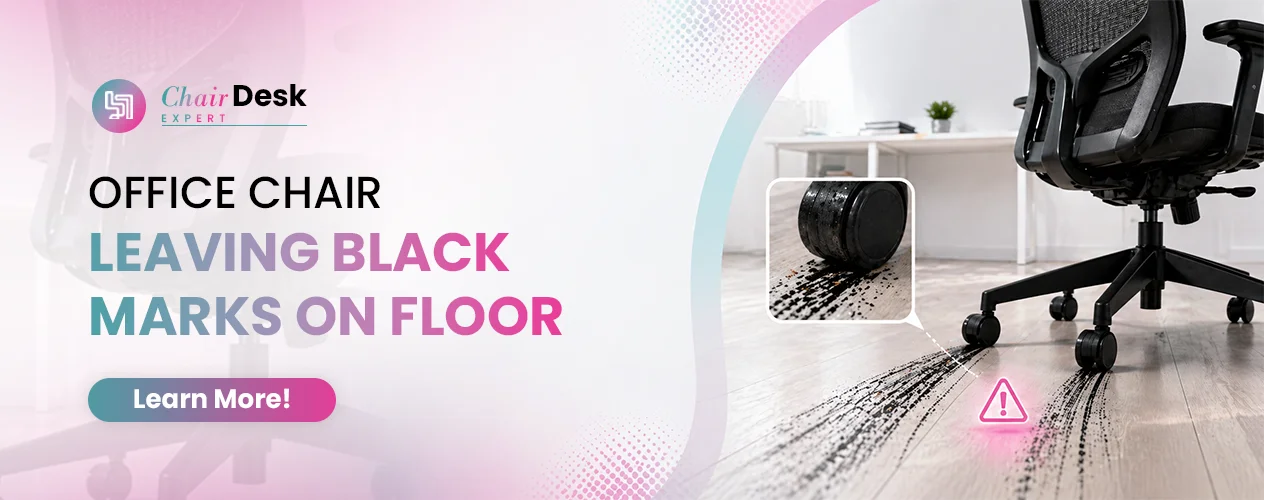
You’re not alone if you notice office chairs leaving black marks on floor. This common problem can be both unsightly and damaging to your floors. Understanding why these marks appear and how to prevent them is essential for maintaining the look and longevity of your flooring.
Discover solutions to prevent Office chairs from leaving Black Marks on the Floor. Get practical tips to address the issue without damaging or replacing the chair.
This article will discuss the causes of these black marks and how to prevent them. Read on to learn more.
Here is a quick fix guide , you can follow
office chair wheels leaving marks on the floor is the primary cause . Over time, as you move your chair back and forth, these wheels can leave unsightly streaks and scuffs on the floor.
Most office chairs come with plastic or rubber casters, which are often the culprits behind these black marks. As the material degrades with use, it can leave a residue on your flooring.
The wheel is the main reason for leaving black marks on the Floor. Different types of wheels, like hard or soft wheels, can leave varying effects on flooring surfaces.
The materials used in the construction of chair wheels contribute to the occurrence of black marks. Some materials may have a higher tendency to leave marks on certain types of floors.
The wheels of your office chair tend to pick up dirt, dust, and other debris from the floor. As this debris builds up, it can grind against the floor’s surface, causing scuffs and marks.
how to protect hardwood floors from office chairs
The type of Floor in your office space also decides whether the chair wheel will leave marks. Different materials act differently to the pressure and movements of chair wheels. Such as hardwood, carpet, or tile.
Floors without any form of protective covering, such as mats or rugs, are more prone to damage from rolling chair wheels.
Low-Quality Casters: Chairs equipped with poor-quality or worn-out casters are more likely to damage your floors. The material may not be compatible with certain flooring types, leading to increased wear and tear.
Heavy Chair Use: If you frequently move your chair across the floor, the chances of black marks appearing increase, especially if the chair is heavy or the casters are stiff.
Environmental Factors: Homes with pets or where hair and dust are prevalent may see more rapid accumulation of dirt on chair wheels, leading to greater floor damage.
Improper Cleaning: Floors that are not regularly cleaned or maintained may have a build-up of dirt and grime, exacerbating the issue when the chair is rolled across them.wheel will leave marks. Different materials act differently to the pressure and movements of chair wheels. Such as hardwood, carpet, or tile.
| Factor | Impact on Floors | Prevention |
| Material of Casters | Leaves residue, causes marks | Use high-quality casters |
| Dirt and Debris | Scratches and scuffs | Regular cleaning of wheels and floors |
| Low-Quality Casters | Increased wear and tear | Upgrade to better casters |
| Heavy Chair Use | Higher risk of marks | Use floor mats or pads |
| Improper Cleaning | Accumulation of dirt leading to damage | Maintain regular floor and wheel cleaning |
If you’re dealing with an office chair leaving black marks on the Floor, there are several practical solutions to address and prevent this issue:
Examine and Remove:
Start by checking out the area at the base of the chair where the hydraulic post lies. If present, check for any fluid that may have leaked, such as the oil stain or wet patches on the floor around the base.
While seated, apply pressure to the seat and observe whether it sinks or jiggles—both of which indicate that the problem is with the hydraulic cylinder.
It is critical to determine whether it is desired. If not, the hydraulic post may need to be removed and replaced.
The chair’s casters should be cleaned regularly to prevent dust, hair and other particles from collecting and making the casters stick or roll badly. Carry out vacuuming exercises or hold small brushes to remove the debris; otherwise, cleaning can be done using a damp cloth to wipe the dirty casters.
The other area that should be cleaned is the floor where a chair is, especially if the chair is used on carpet. Dirt and other particles can become locked within the wheels, resulting in further wear or damage to the chair. Periodic vacuuming or sweeping can eliminate this accumulation of dirt so that the chair’s movement is not impeded.
If you are placing the chair on hard floors, it is advisable to place mats or rugs beneath it to avoid wear on the chair’s casters and surfaces.
You should inspect the chair regularly for leaks and cleanliness to ensure its efficiency does not drop significantly.

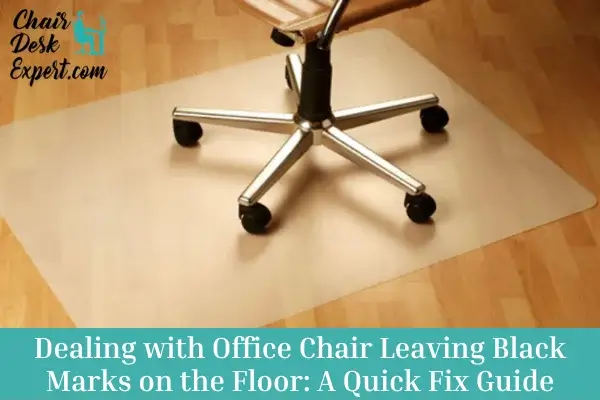
A simple and effective solution to protect your floors is to place a floor mat or rug under your office chair. Chair mats act as a protective barrier between the plastic wheels and the marble floor. You can prevent scratches and marks by placing a mat under the office chairs. Using a mat that is designed for a floor can prevent the issue.
Enhances the aesthetics of your workspace.
Benefits:
Consider replacing the existing plastic wheels with white nylon wheels, which are less likely to leave marks on the Floor. Ensure that the replacement wheels are suitable for hard surfaces.
Remember to check the compatibility of any accessories or replacement parts with your specific office chair model to ensure a proper fit and functionality.
Wrapping duct tape around your office chair wheels is a quick and cost-effective way to protect your floors from scuff marks and scratches. This simple solution creates a barrier between the wheels and the floor, reducing friction and preventing damage. It’s an easy fix that can extend the life of both your chair and flooring, especially in high-traffic areas.
Temporary Fix: This method is perfect for those who need a quick fix or are looking for a temporary solution before investing in more permanent options like floor mats or upgraded casters.
Preventing black marks from forming on your floors involves a combination of upgrading your office chair’s hardware, using protective coverings, and maintaining a clean environment.
One of the most effective ways to prevent black marks is by upgrading the casters on your office chair. Most office chairs come with standard plastic or nylon casters, which are more likely to cause damage.
| Caster Type | Floor Compatibility | Key Benefits | Considerations |
| Soft Rubber Casters | Hardwood, Tile, Laminate | Gentle on floors, reduces scuffing | May wear out faster on rough surfaces |
| Urethane Casters | All types | Smooth roll, versatile, durable | Can be more expensive |
| Rollerblade-Style Casters | Hardwood, Laminate, Tile | Quiet operation, non-marking | May not be necessary for carpeted floors |
You can explore attaching rubber wheel covers to the existing wheels if available. Rubber is less likely to cause marks on the Floor and provides an additional protective layer.
Implement a regular cleaning routine for both the wheels and the marble floor. Keeping the wheels clean can reduce the likelihood of marks, and cleaning the Floor promptly can prevent any lasting damage.
Apply soft floor protection pads to the bottom of the chair legs. These pads can minimize the chair’s impact on the marble floor.
Protective pads can be attached to the bottom of the chair legs or the wheels to reduce friction. These pads are made from materials like felt or rubber, which are gentle on floors.
Available in various sizes to fit different chair types.
Advantages:
Regularly clean the Floor to remove any existing black marks or sticky residue. Use appropriate cleaning agents suitable for your flooring material.
Be mindful of the chair’s movements to prevent it from rolling over debris and spreading marks.
By incorporating these solutions into your routine, you can maintain a cleaner and more presentable workspace and ensure that your friend’s office chair doesn’t leave undesirable marks on the Floor.
If you’re frequently dealing with black marks, it may be time to invest in a higher-quality office chair. Look for models that offer better casters or come with built-in floor protection.
Be mindful of the chair’s movements to prevent it from rolling over debris and spreading marks.
By incorporating these solutions into your routine, you can maintain a cleaner and more presentable workspace and ensure that your friend’s office chair doesn’t leave undesirable marks on the Floor.
If black marks are present on your office floor, it can lead to many more issues. These marks affect your office’s look and the floor quality. With time, these marks are permanent, making your office look unprofessional.
Tile or hardwood, which are delicate surfaces, can be damaged. So, addressing the issue and maintaining a polished appearance is important.
Different flooring types respond differently to the wear and tear caused by office chair wheels. Understanding which floors are most at risk can help you take appropriate preventive measures.
Hardwood floors are particularly vulnerable to black marks and scratches due to their softer nature. The rolling motion of chair wheels can create dents, scratches, and dark streaks over time, especially if the wheels are made of hard plastic or metal.
Laminate floors are more durable than hardwood but can still suffer from black marks, particularly if the protective top layer wears down. Over time, the constant friction from chair wheels can cause dulling and scuffing of the surface.
Tile and stone floors are generally more resistant to marks, but they’re not immune. Grout lines between tiles can trap dirt and debris, which can then be transferred by the wheels, causing marks and discoloration.
While carpeted floors may not show black marks as visibly as hard floors, they can still suffer from wear patterns and dirt accumulation. Over time, rolling chairs can flatten the carpet fibers and leave behind dark, worn patches.
Before cleaning them:
Examine each of the maintaining wheels to observe discernible signs of wear out, breakages, or debris. Find or brush the area of dirt concealment with a wheel brush. The brush is usually concentrated on the proper axle, with hair matted tangentially. Remove hair with tweezers or a crochet hook without cutting through the Wheel, even if the hair is tangled.
When this has been done, assess each Wheel’s mobility by turning the frame handles on the wheels and rolling them on a flat surface. If there was any malfunction, some of the wheels would be sticky, and nothing would aid the chair in moving smoothly. Apply liquid silicone to metal components of the chair that do not lock. Look for any other or further obstruction debris and clean to allow free movement of the complications.
Individual inspection of each Wheel for the entire assembly will be performed by first looking for any persistent debris and then rotating the wheels by hand. A knife is another way to perform some removals. For any debris blocking the movement of the chair, please ensure proper disposal of the residues.
Before you begin the task, you must properly prepare with the appropriate soft supper brush, tweezers, butter knife, and soapy water. Mild dish soap and rubbing alcohol would always be a cleaner choice for those concerned with the environment. Make sure to mind where you keep your supplies for effective cleaning.
Put on gloves to shield your hands from dirt and allergens. Keep everything you need to work with at arms’ length to prevent hustles during work. Once everything is in order, clean the wheels to perfection.
Protect Your Space: Place a towel or drop cloth on the floor to minimize dust and loss of small surfaces.
Get your tools:Have a screwdriver or lever handy to assist you with wheel removal without causing any damage.
Organize the Wheels: Prepare places for cleaned and not cleaned wheels.
Prepare for Stubborn Grime: Wrap up some of the cleaning agents likely to have many of the tough dirt and gloves on.
Decide on Wheel Removal: All the wheels need not be removed since there are wheels which can be cleaned while still being fixed on the chair.
Turn the Chair: Put the chair upside down on a protective surface like a cushion.
Identify how the wheels are attached: Identify how the wheels are attached: clips, screws, twist-off mechanism, or others.
Remove Willies: Lift or twist them off based on their attachment.
Dismantle Capping Screws: All caps, screws and little pieces are to be kept in a safe location to prevent their loss.
Soak wheels: Place them in a bucket with warm water and soap for some minutes; they will become easier to scrub.
Scrub thoroughly: Construct surfaces, use an Alternative for tight areas, etc. Sterilize spots: Implement using a toothbrush or other tools.
Remove debris: Use any to weed out hair or linen knotted into a spider web or even knees.
Rinse and Shovel: Make sure that the wheels are completely dry to avoid damage to them.
Lubricate: A wheel is simply a castor mound centre that pivots inside.
You care about the Wheel You Cover.
Wipe Down: Cloth when cleaner or rubbing seas.
Inside Clean: Use cotton swabs for holes or ruins. Only fill high soap water if required.
Dry Completely: Moisture to rust or develop and mould layers.
Lubrication and Maintenance of Chair Remedies
Select the Lubricant: Silicone would be the lubricant for plastic wheels, and greaseless would be used for metal-to-metal.
Apply Sparingly: It is very important to me in every case that I prescribe sufficient lubricants to achieve an even coating without a thick coating.
Wipe Excess: to restrict the pollution.
Reassembling Office Chair Wheels
Align Properly: It is important to fit the Wheel correctly so that it protrudes as close as possible to the position of the given cap.
Secure Firmly: Make sure to fully insert screws or fit wheels properly.
Test Movement: Check if the equipment rolls freely on a level area.
Prevent Future Clogs: A wheel maintenance schedule that includes inspection, repair, and cleaning helps keep the wheels working.
Many solutions are available for office chairs, Leaving Black Marks on the Floor, such as using chair mats and replacing wheels when necessary. Maintain floor cleanliness by adopting floor cleanliness strategies.
Additionally, be aware of potential causes, such as leaking lubricants or deteriorating wheels. By considering these steps, you can enhance your overall office look.
The black residue results from constant movement from the chair’s wheels. Learn how to prevent it.
The black residue is caused by the friction between the wheels and the Floor during regular movement.
Consider using layers of protective material, such as a chair mat, rug, or carpet, to prevent direct contact between the chair wheels and the hard Floor.
A chair mat serves as a protective barrier, keeping the chair wheels on the mat and off the hardwood floors, reducing the risk of marks.
If you frequently move your chair in a spacious area, consider using a more extensive area rug made of woven material as an alternative protective measure.
Explore effective cleaning methods to remove black marks, and consider preventive measures to avoid future markings.
Expert reviews, guides, and insights for your perfect setup