Office Chairs: Your Back Will Thank You
Invest in your health with office chairs designed by experts to prevent back pain and improve posture...
12 min

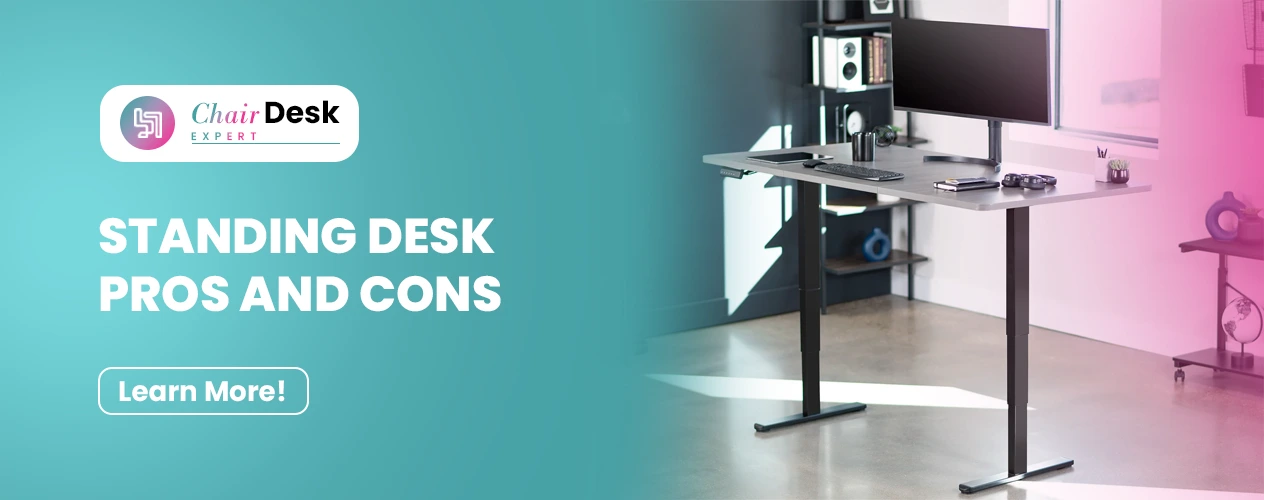
Near to buy the standing desk? Waiting while standing at desks has many advantages and is a smart solution to avoid health risks.
These desks come with drawings, too, so before investing, consider standing desk pros and cons. Understanding both sides will be beneficial for you in making the best decision.
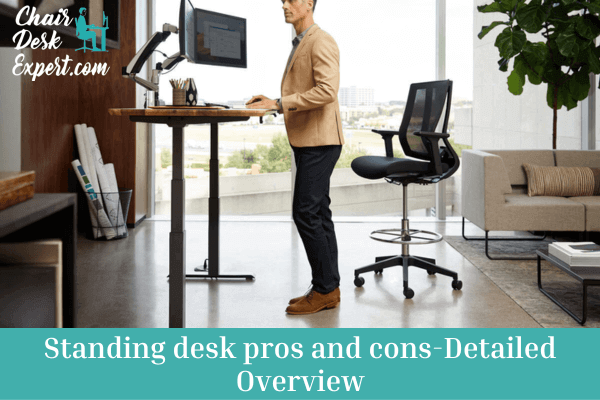
Standing desks offer a solution to the problem of sitting for extended periods. But do they have only pros, or do they have cons? Read on to discover the pros and cons of standing desks.
Standing kept my blood flowing, fostering a heightened state of alertness. The constant awareness of my body helped combat the tendency to feel sleepy at the desk.
Standing facilitated more interactions with co-workers, promoting impromptu conversations and improved communication. The elevated eye-level perspective allowed for meaningful connections as colleagues passed by.
Maintaining a good posture while standing contributed to the strengthening of my core. This reduced soreness in my back and tailbone compared to prolonged sitting.
Standing enabled a swift response to emergencies or last-minute meetings, fostering a sense of alertness and readiness for unexpected events.
A shift from a sedentary to an active work routine reduces the risk of heart disease by up to 90%. Continuous sitting increases the likelihood of cardiovascular events, such as heart attacks, by 147%. Simply standing and incorporating movement diminishes these risks significantly.
Standing engages muscles, burning 50 more calories per hour than sitting. Standing for three hours daily burns 150 extra calories and reduces diabetes risk.
Standing at a desk reduces the risk of back, neck and shoulder pain. It maintains your posture.
Standing more and being less sedentary can reduce the risk of depression and anxiety while improving physical well-being and boosting mood, energy, focus, engagement, and creativity.
The positive effects on engagement, focus, and creativity translate into improved productivity, allowing faster task completion with better results than prolonged sitting.
Combining the adverse effects of prolonged sitting, standing desks enhance blood flow and muscle flexibility. Studies indicate positive impacts on blood glucose levels and asthmatic symptoms.
Long hours at a computer often result in poor posture and strain on the spine. Standing naturally encourages a straighter spine and upright posture, benefiting bone strength and overall confidence.
Standing elevates heart rates, burning additional calories (about 0.7 per person per minute). Regular standing desk use can contribute to calorie expenditure, aiding weight management.
The initial days or weeks can be challenging as one adjusts to standing for extended periods. While uncomfortable initially, the discomfort diminishes over time.
Eating at the desk can be inconvenient and requires mindfulness about spills. It is advisable to have a separate place to sit or opt to eat elsewhere.
Extended hours, particularly beyond ten hours, may lead to fatigue, even with the health benefits of standing. Having a sitting option for prolonged workdays can be beneficial.
In an open workspace, personal actions become more visible to others. This includes adjusting personal appearance, dealing with spills, or picking a boogie. This aspect may be less relevant in a private office setting.
Standing for extended periods leads to joint and connective tissue discomfort. Regularly shifting weight and moving while standing can alleviate this discomfort.
Standing requires tension in various muscle groups, leading to fatigue after 30 minutes. Gradual adjustment, such as alternating between sitting and standing, helps manage muscle fatigue.
Extended periods of standing can result in blood pooling in the ankles and calves, causing swelling and discomfort due to increased circulatory effort against gravity.
Prolonged standing redirects energy away from the brain, affecting reaction time and overall mental state. However, this deterioration occurs over several hours and not immediately. Regular breaks and movement can mitigate these effects.
Prolonged standing may contribute to varicose veins, particularly if individuals wear ill-fitting clothing. Occupations requiring extended standing, such as servers and nurses, may be more susceptible.
Here are the guidelines to follow for achieving the best results and preventing potential problems.
Here, we end the topic of standing desk pros and cons. We hope it will help you make a decision. Standing desks are valuable investments as they prevent the prolonged effect of sitting. However, you have to carefully consider the pros and cons before purchasing.
Standing desks alone are not the solution to the problems. You have to optimize standing desks for maximum benefits.
Studies indicate that for every one to two hours of sitting, one hour of standing is ideal. Height-adjustable sit-stand desks help achieve this balance and promote regular transitions between sitting and standing.
Standing is better than sitting. It reduces the risk of heart disease, lowers blood sugar levels, and decreases stress.
Answer: Standing reduces pressure on the lower back, as shown in a 2018 study. It strengthens leg muscles, improves balance, burns more calories than sitting, and helps prevent the formation of blood clots in the legs.
Answer: Yes, standing strengthens leg muscles, improves balance, and burns more calories than sitting. Additionally, it prevents blood clots in the legs.
The optimal desk height is typically between 28″ to 30″. Using standard task chairs, this range suits most individuals, especially those between 5’8″ and 5’10” tall. If you are taller or shorter, adjusting the desk height may be necessary. The work surface should be significantly higher for those using a saddle seat or perch.
Expert reviews, guides, and insights for your perfect setup